




Those of us who grew up watching Westerns know there is a difference between an outlaw and a villain.
The difference lies in motivation. An outlaw breaks the law or runs contrary to unchecked authority based on necessity or to stick to a greater moral code. A villain intends to cause harm or create an unfair advantage, regardless of if they’re technically breaking the law or not.
Robin Hood was an outlaw. The Sheriff of Nottingham was the villain. Josie Wells was an outlaw. Captain William “Redlegs” Terrill was the villain. Han Solo was an outlaw. Darth Vader was the villain. We root for outlaws. We despise villains.
Texas Tech was the outlaw. An athletics program that was left behind when Texas and Oklahoma bolted for the SEC and left the Big 12 in flux. The Red Raiders vowed to never let it happen again and spent hundreds of millions of dollars on upgraded facilities and talented rosters to become nationally relevant in football and softball.
They were fighting a corrupt system, one that allowed bluebloods in the SEC and Big Ten to spend whatever they wanted and ignore the rules when it benefitted the existing caste system. SMU got the Death Penalty. That would never happen to LSU. Suddenly, when Texas Tech was spending millions for a competitive advantage it was a problem. Most of us saw it for what it was – hypocrisy.
But public perception shifted on Monday when a judge in a Lubbock County court granted an injunction that allows Texas Tech transfer quarterback Brendan Sorsby to play football in 2026 despite admitting to committing what was always considered the cardinal sin in sports – betting on his own team. If the ruling holds, Sorsby will return to action for the Week 3 game against Houston, which is Tech’s Big 12 opener.
Fairly or unfairly, Texas Tech is morphing into the villain of college football. The Big 12 is reportedly holding meetings to discuss options and some of the athletic directors and head coaches in the conference have openly criticized the decision and floated the possibility of not playing the Red Raiders. Even if we agree that those threats won’t materialize, the rest of the Big 12 feels like this is a bridge too far.
Additionally, athletic directors at Nebraska and Georgia have told their coaches that they won’t schedule Texas Tech in any sport and it looks like the Big Ten could get on board with that directive, as well, according to places such as The Athletic and Yahoo! Sports. If the SEC follows, that is bad news for Texas Tech.
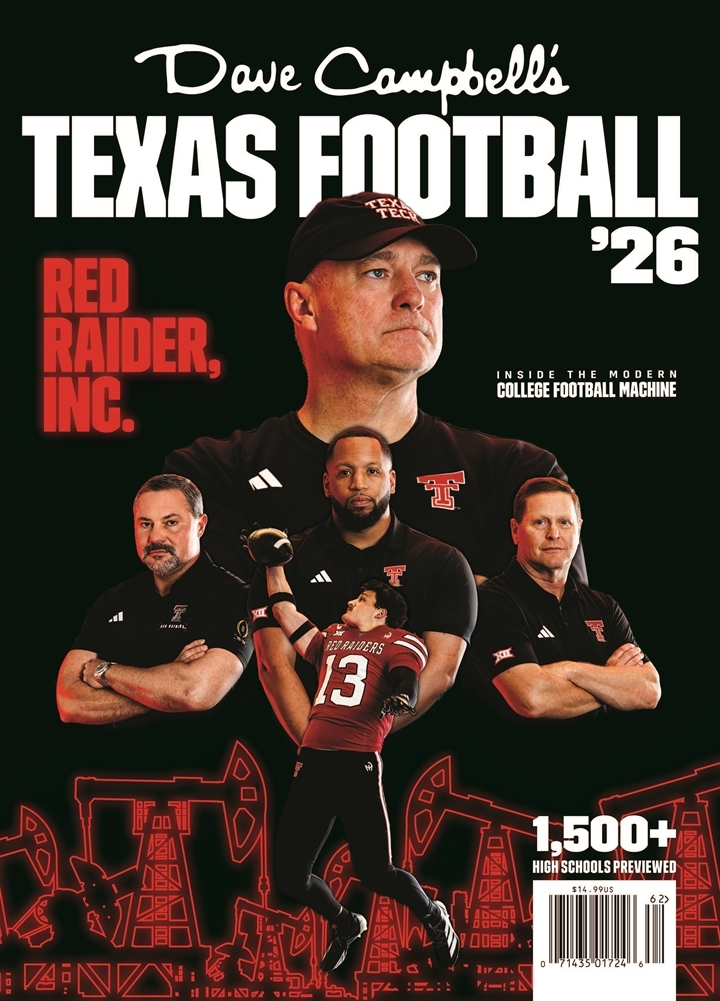
I spent my entire month of April talking to mega boosters at Texas Tech for the cover story for the 2026 summer addition of Dave Campbell’s Texas Football. Guys like Cody Campbell, Gary Peterson, and Dusty Womble all told me the same thing: That every move and every dollar spent by Texas Tech over the last few years was to position Texas Tech to be nationally competitive and to secure a seat at whatever comes next in conference realignment, namely a spot in a “Super League” if the top programs in the country break away from the NCAA.
“There are going to be future shakeups in how college athletics works and we want to make sure that everyone making the decisions always considers Texas Tech as one of the institutions that needs to be involved in the evolution of college athletics,” Womble told me a couple of months ago.
Playing Sorsby could undermine those goals if the Big Ten and the SEC are truly considering blacklisting the Red Raiders from competition. Imagine you’re a member of a country club and the most affluent and best golfers in that club are threatening to form their own. Now imagine you want to be invited into that new country club so that you’re not left behind to play with the scrubs. Would you make decisions that ran opposite of what those future power brokers want in new members? I wouldn’t.
Texas Tech is not responsible for the decisions that Sorsby made. He’s an adult who made mistakes at multiple universities before transferring to Lubbock. A gambling addiction, while real, does not absolve someone from consequences. No more than a drunk getting a DUI or an addict being popped for possession.
There is an argument to be made that this is the unfortunate outcome of a broken system. That the NCAA created their own problems by burying their head in the sand for so long that they can no longer govern the sport. That is what courts across the country seemingly believe. But just like addiction shouldn’t keep Sorsby from facing consequences, the reality that the NCAA needs saving – maybe even from Congress – shouldn’t absolve Texas Tech from making the right decision.
By playing Sorsby and disregarding what many consider a fundamental principle of competitive integrity – no matter how silly or overstated you believe this situation to be – Texas Tech is painting itself into a corner. By chasing short-term goals like repeating as Big 12 champs, returning to the College Football Playoff, and possibly making a run at the national title, the Red Raiders could cost themselves the ultimate goal of not being left behind when a Super League arrives.
Texas Tech could decide that it is all one big bluff. That the SEC and the Big Ten are threatened by the Red Raiders’ trajectory and are acting holier-than-thou in attempts to thwart their progress and maintain the status quo. And maybe they’re right. College athletics will not crumble because one quarterback bet on his team to win games. In a twist, this could be the straw that breaks the NCAA’s back and forces collective bargaining or government oversight.
There are entities who should shoulder more blame in this mess, namely Sorsby, the NCAA, and former schools like Cincinnati and Indiana if they became aware of these allegations previously. All Tech did was sign a player in the transfer portal who was eligible to be added. But that innocence is lost the moment Sorsby suits up and plays in a game for the Red Raiders. And it is up to Texas Tech to figure out if the potential cost is worth the potential gain.
This article is available to our Digital Subscribers.
Click "Subscribe Now" to see a list of subscription offers.
Already a Subscriber? Sign In to access this content.
 Don't Miss Any Exclusive Coverage!